
The Research Problem
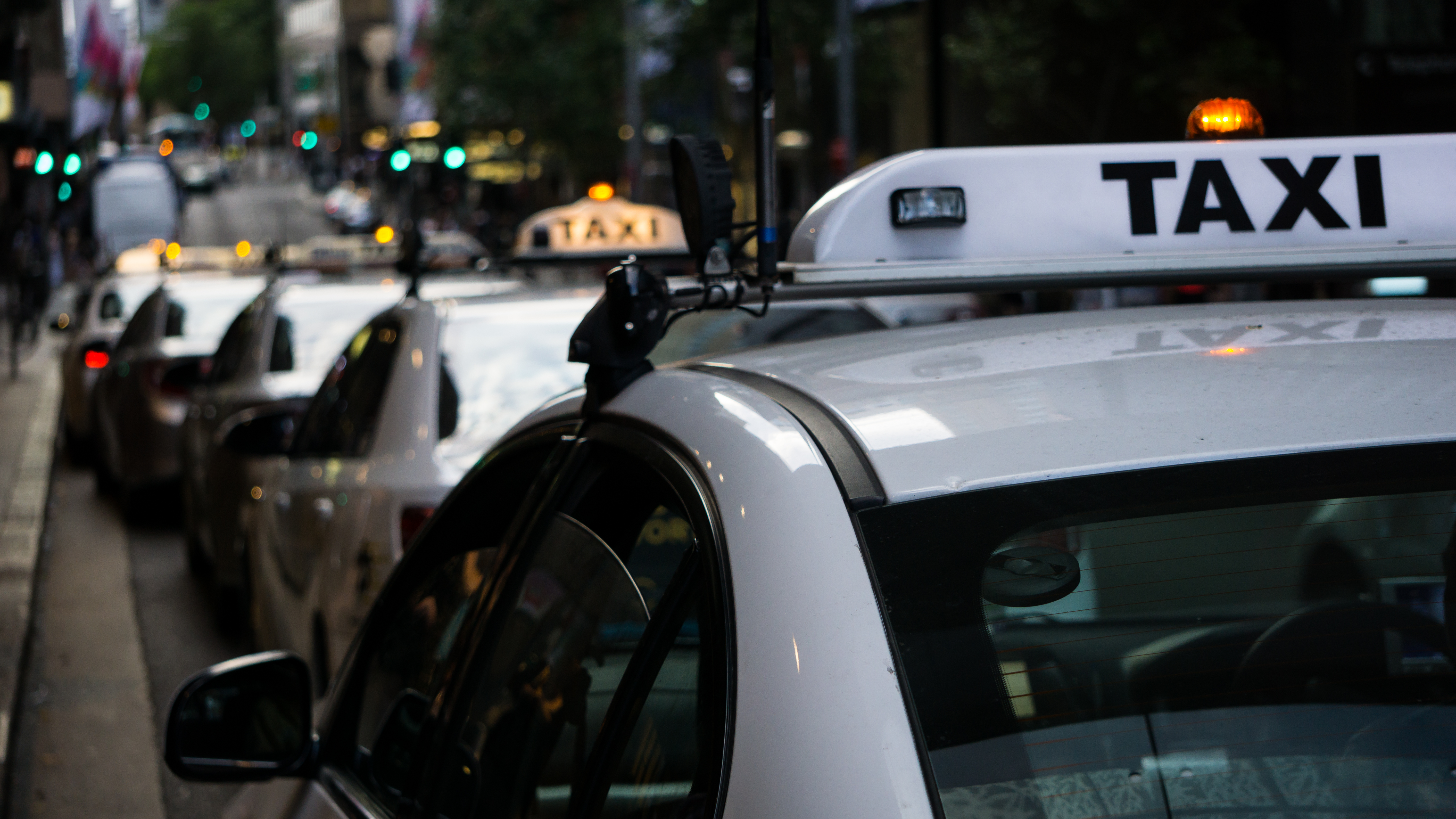
In global cities such as Beijing, Sydney and Cape Town, the taxi industry has witnessed the rapid rise of online platforms such as Uber, Didi, and Bolt. However, ride-hailing or ridesharing platforms remain constrained in other cities such as Hong Kong, Tokyo, and Taipei, where the conventional taxi industry continues to dominate. This project will examine the different levels of digitalisation of the taxi industry and investigate the related diversification in service provision and labour conditions for urban drivers.
Research Design
Research questions:
1) To what extent is the taxi industry penetrated by online platforms in digital-friendly cities and digital-cautious cities?
2) How do service provision and labour conditions differ between conventional taxi drivers and online gig drivers in the digital-friendly and digital-cautious societies?
3) What are the advantages and disadvantages of the digital-friendly and digital-cautious taxi industries?
Research methods and collaboration plans:
Stage I: Literature and archival research about the extent to which the taxi industry is penetrated by online platforms in digital-friendly cities and digital-cautious cities. Research and media sources about urban transportation in different cities, ranging from government regulations, transportation infrastructures, consumer demands, cultural norms, to political dynamics, will be reviewed. The team will meet to reflect on different levels of platform penetration in the taxi industry in different places.
Stage II: Field research to investigate service provision and labour conditions among conventional taxi drivers and online gig-work drivers in the digital-friendly or digital-cautious cities. The team will collect fieldwork and interview data in cities such as Beijing, Sydney, Johannesburg, Cape Town, Hong Kong, Tokyo, Taipei, Shanghai, Wuhan, and Shenzhen. The team will meet to exchange ideas and share findings.
Stage III: Analysis and synthesis of the advantages and disadvantages of the digital-friendly and digital-cautious taxi industries. The team will organise a conference to share findings and explore the advantages and disadvantages of the two systems based on archival and field research.