
The Research problem
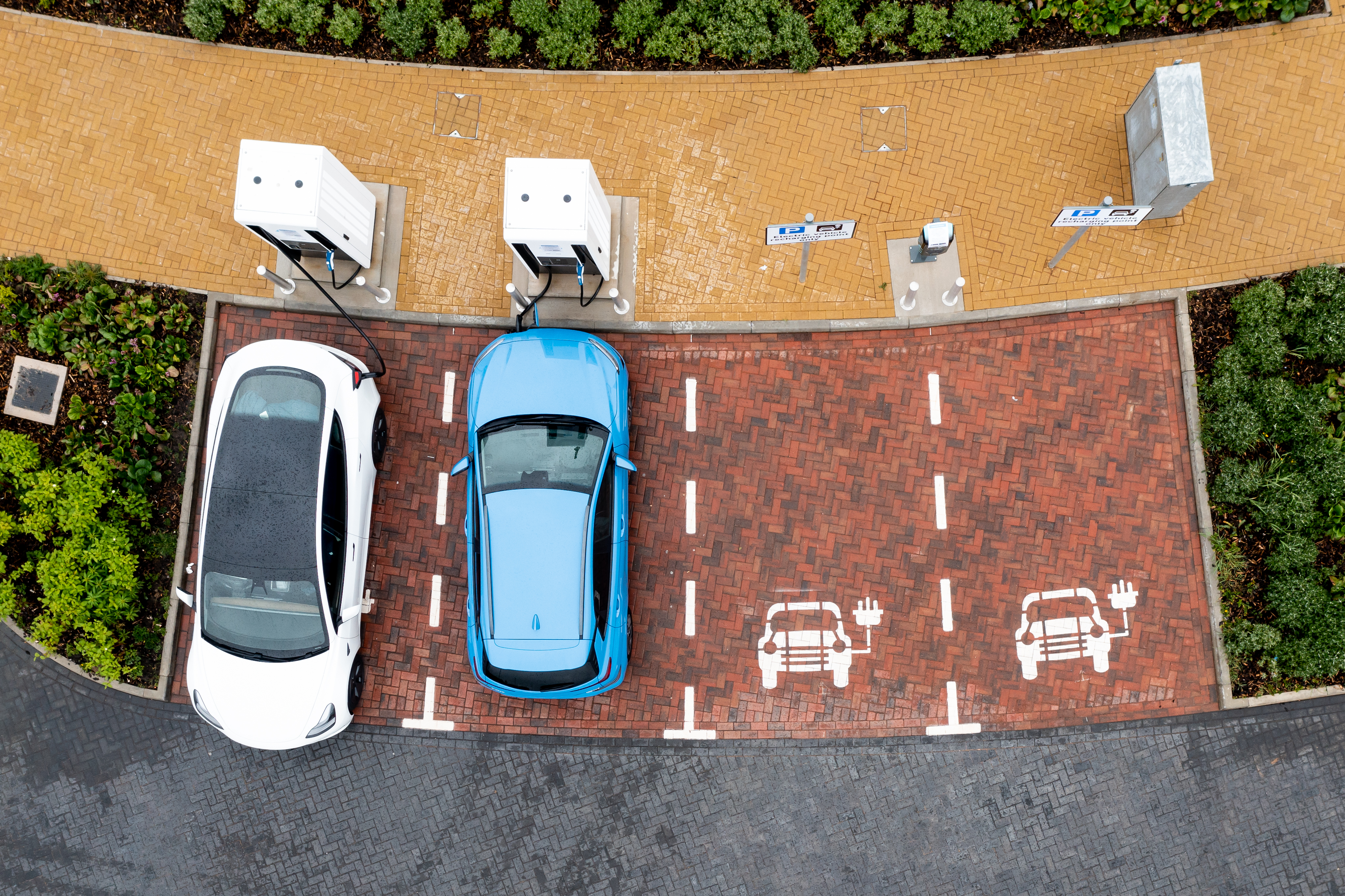
Electric vehicle (EV) uptake is accelerating, but electricity tariffs, incentives and grid-planning decisions still lack robust, comparative evidence on how Vehicle-to-Grid (V2G) can be deployed fairly and effectively. V2G enables EVs to both draw from and return power to the grid, supporting renewable integration, peak-load management and driver value. Yet participation remains uncertain because consumer preferences, market rules and grid conditions differ widely across countries. This project addresses the evidence gap by comparing the UK, Australia and New Zealand (with case studies in Bristol, Brisbane and Auckland) and by examining three decision-relevant horizons: 2030, 2040 and 2050.
Research Design
This project addresses three research questions:
(1) What incentives, protections and programme designs increase EV users’ willingness to participate in V2G?
(2) Under plausible scenarios, how will EV growth, V2G participation and grid impacts evolve by 2030/2040/2050?
(3) Given these scenarios, what are the costs and benefits for consumers, utilities and governments, and what practical, country-specific policy recommendations follow?
The work is organised into three interconnected tasks with a WUN research partnership across four universities:
Task 1: Surveys and discrete-choice experiments in Brisbane, Auckland and Bristol to identify drivers and barriers to V2G adoption and test how tailored incentives or rules could raise uptake;
Task 2: Transparent machine learning and time series forecasting using public datasets (EV uptake, electricity prices, generation, vehicle registrations) to project EV growth, V2G participation and grid impacts for 2030/2040/2050. Insights from Task 1 inform scenario design;
Task 3: Economic and policy assessment drawing on Task 2 to estimate costs and benefits, compare policy and market readiness across countries, and develop country-specific recommendations.
Project Objectives
By the end of the funding period, the project will deliver: (1) a cross-national dataset and a comparative report on EV user attitudes to V2G; (2) documented forecasting tools and scenario-based results for 2030/2040/2050; (3) an economic and policy assessment pack with concise country briefs and cross-country lessons. Results will be shared via academic outputs and accessible materials (e.g., webinar, infographics) and will inform follow-on funding bids.