
The Research problem
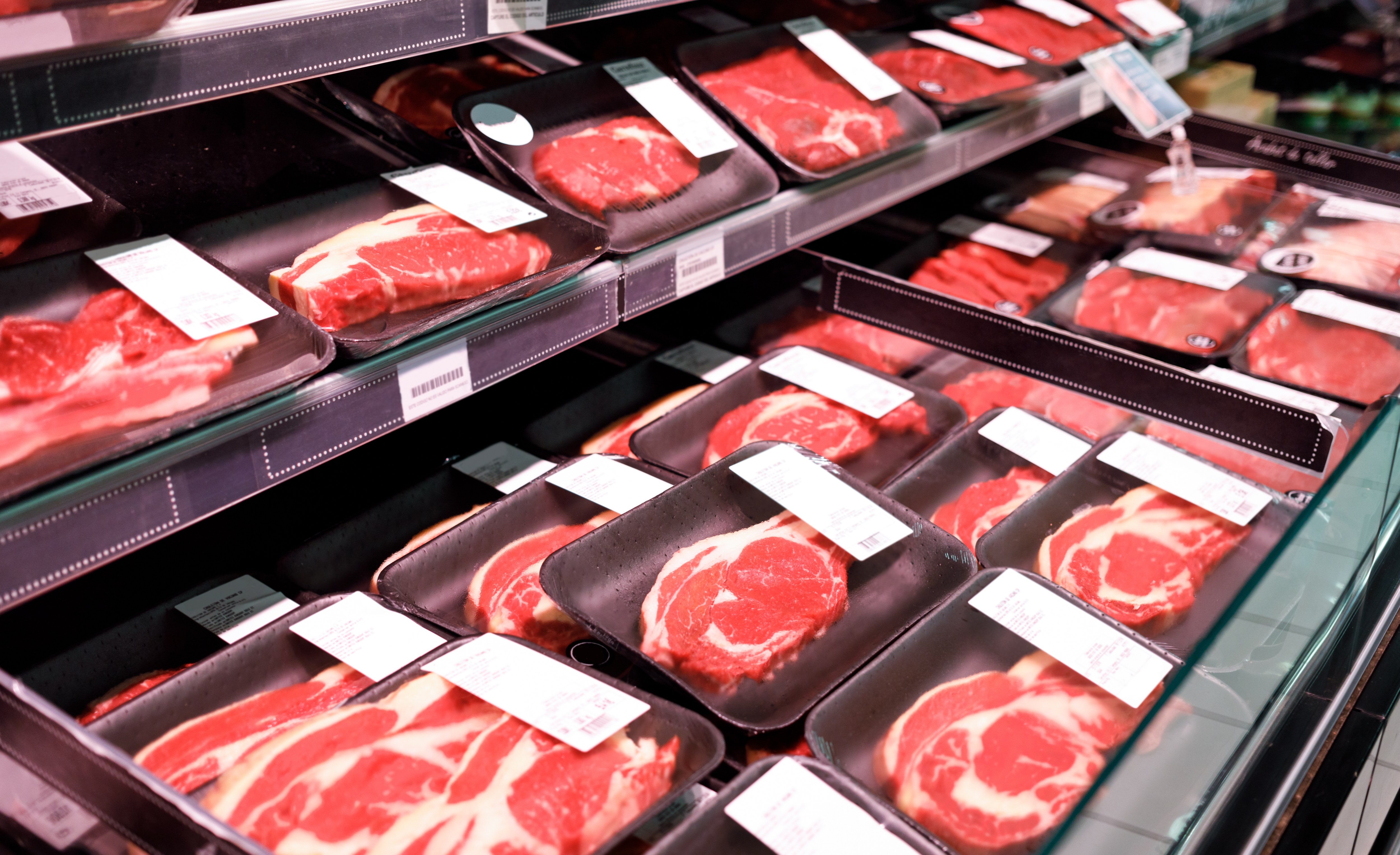
Meat-related products are an important food source for the global population, which exceeds 8 billion consumers. Due to microbial food spoilage and quality degradation, the meat industry loses almost 302.4 million tonnes of meat annually, which is more than 20% of meat products and results in an annual loss of approximately US$10 billion worldwide.
Poultry is the second-largest meat category consumed worldwide after pork. Currently, poultry industries use antibiotics and hormones to accelerate the growth of chickens and enhance their body mass. Additionally, the chicken processing industry uses synthetic chemicals such as sodium benzoate, butylated hydroxytoluene (BHT), butylated hydroxyanisole (BHA), etc.
However, these antibiotic supplements and synthetic agents are known to produce allergic reactions and serious disturbances in bird health and, consequently, pose risks to consumers. These days, customers are increasingly aware of the impact of antibiotics and synthetic additives on the environment, bird health, and human health. Therefore, the demand for naturally safe and healthy food is on the rise.
Accordingly, the project aims to develop sustainable natural alternatives to synthetic food additives and antibiotics to enhance food quality and safety in the poultry food chain.
Research Design
At this stage, no natural preservative is commercially available for animal feed and meat quality control. Hence the research questions are: 1) Can phytochemical (PC) be used as a natural preservative to develop commercial antioxidants and antimicrobials; 2) How can the stability and efficacy of PCs be enhanced during application and storage; and 3) Can natural preservatives be used in animal feed additvies and post harvest quality control?
Research methods and collaboration plans
The project is expected to be completed in one year, in 2026. Dr Nilesh will lead the project and coordinate all activities into three major phases. In the first phase, fruit and vegetable processing by-products byprodcts will be collected from the processing industry in Brisbane, Australia, extracted and lyophilised, and HPLC and LC-MS will be used to characterise of the active chemicals/polyphenols (Dr. Zyta’s lab).
Subsequently, the identified active components will be sent to Dr. Nirmal’s lab in Thailand to formulate and develop a natural antioxidant blend with other active compounds. In the second phase, the antioxidant (Dr. Nilesh’s lab and Dr. Nattira’s lab) and antimicrobial assays, including the survival kinetics study of pathogens, will be conducted at Dr. Verônica’s lab and Dr. Marcos’s lab.
Project Objectives
The project goal is to develop sustainable natural alternatives to synthetic additives, thereby safeguarding public health and food security. Furthermore, the utilisation of fruit-processing industry by-products will contribute to the circular economy and zero waste policy of the countries.
The project concept aligns closely with the bio-economy, circular economy and green economy policy. This approach contributes to sustainability and opens new avenues for creating eco-friendly more healthier food products, more acceptable for consumers seeking natural and sustainable preservation alternatives to synthetic chemicals as food preservatives applied in food-related industries. Supported by WUN, The project will provide the first natural plant-based solutions to the poultry farm and processing industry around the world. Notably, a multidisciplinary research team will be created to tackle and solve the world’s food sustainability development goals.